
Diversity & Inclusion in Rail Infrastructure
BLOG: Women In Rail & Construction
Roman Groves – November 3, 2025
Read Time – 3½ minutes
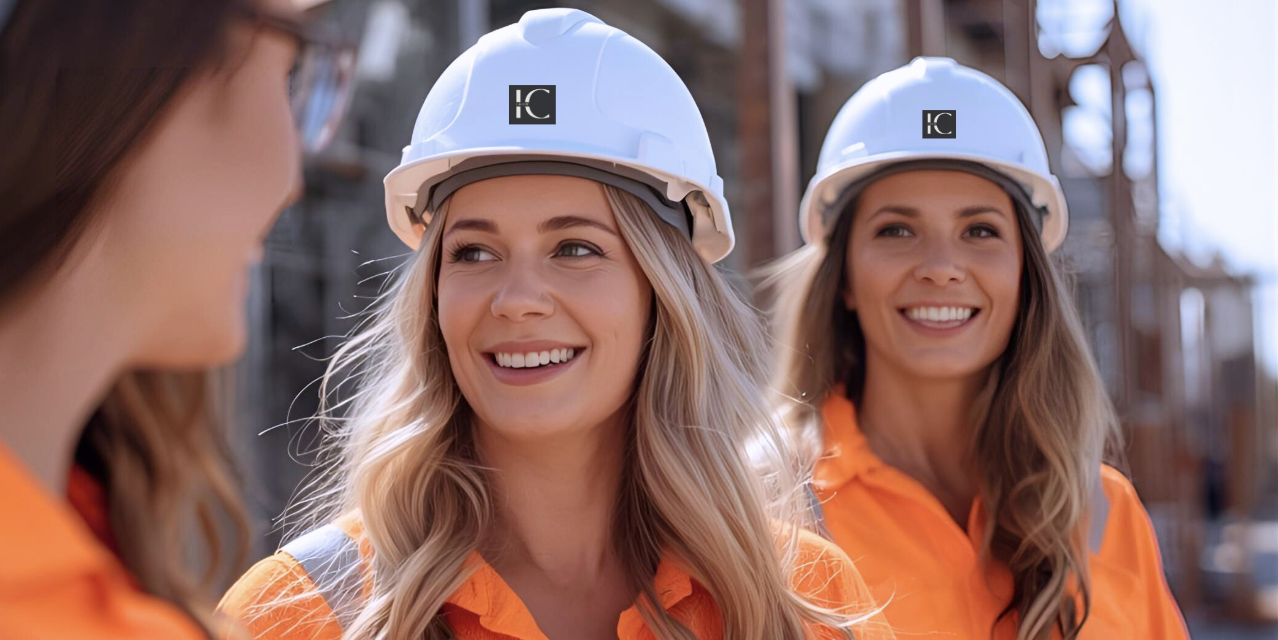
Women In Rail & Construction are playing a growing role in shaping the future of the UK rail and infrastructure sector. With targeted initiatives, progressive policies, and measurable change, gender diversity is becoming more visible across all levels from apprenticeships to senior leadership. This blog explores key developments, statistics, ongoing challenges, and the path toward a more balanced and inclusive industry.
Rising Numbers & Key Statistics
Recent workforce studies show that women now make up about 30.2% of the UK rail industry workforce, according to NSAR research commissioned by Women in Rail. Among those, a meaningful proportion hold senior or managerial roles roughly 37.5% of female rail workers are in senior and managerial positions. Comparable to male counterparts in proportion. These numbers indicate a positive shift, though women remain underrepresented in certain roles (especially very senior, technical, or construction-site roles).
Source – NSAR
Programmes & Policies Driving Change
Several rail sector programmes are focused specifically on improving gender inclusion. HS2, for example, places strong emphasis on recruiting women and under-represented groups via STEM outreach, apprenticeships, graduate schemes, and mentoring.
Women in Rail operates many initiatives, including a mentoring programme with Moving Ahead that helps match junior rail professionals (both men and women) with senior mentors across companies creating networks, support, career guidance. Also, the “EDI Charter†(Equality, Diversity & Inclusion Charter) co-launched by Women in Rail and the Railway Industry Association (RIA) has been signed by nearly 200 organisations. Signatories commit to having an EDI Champion at senior level, monitoring, action plans, training and promoting progression of women into leadership roles.
Source – Women in Rail
Real-World Examples & Best Practice
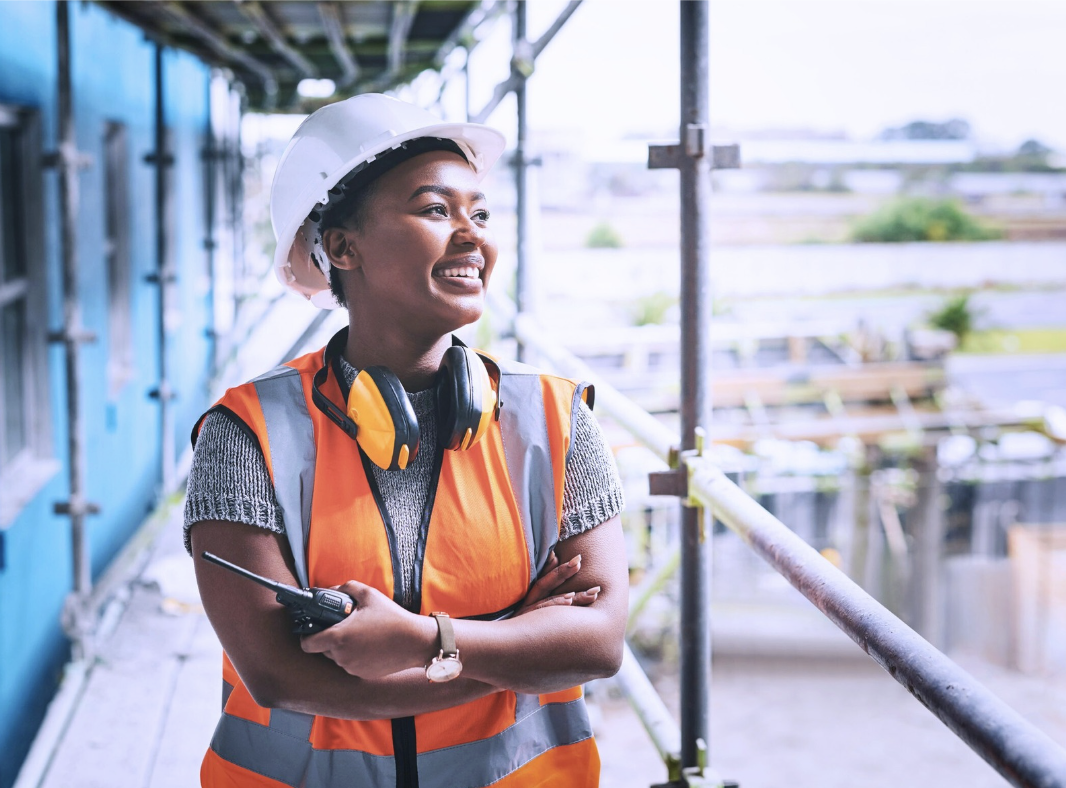
Some companies and operators are demonstrating what real progress looks like. Southeastern Railway has increased its number of female train conductors by over 50% in the past two years. While also implementing leadership programmes and support for expectant and returning mothers.
Another example: several rail operators (Northern, TransPennine Express, LNER, Network Rail) have teamed up with Women in Rail under the “Never Mind The Gap†campaign. This scheme supports women returning to the workforce or changing careers, offering training, placements, and visibility for roles traditionally male-dominated.
Source – Southeastern Media Centre
Barriers, Culture & Where Progress Is Still Needed
Despite improvements, barriers remain. One major issue is senior representation: leadership teams remain heavily male-dominated. SWiFT, a senior women’s network in rail, has identified that women often face challenges in moving into executive roles, including lack of support, visibility, and sometimes culture or unconscious bias.
Another barrier is perception of roles: many women report that jobs such as train driving, signalling, track work and heavy civil engineering are still seen culturally as “male†roles, which can discourage applications. Flexible working, work life balance, mentoring and fair recruitment practices are still being improved in many organisations.
Looking Forward: What the Industry Should Do Next
To continue accelerating progress, the industry needs to double down on several fronts. First, consistency: more employers should become signatories to the EDI Charter, appoint senior EDI champions, and make measurable targets (both for gender and intersectional diversity).
Second, greater investment in outreach, training and STEM for young women, especially from underrepresented backgrounds. HS2’s school engagement, apprenticeships, and inclusive career fairs serve as good models.
Third, support for women who take career breaks, or have non-linear career paths, through mentoring, return-to-work programmes, flexible work and parental support. Campaigns like “Never Mind The Gap†point to the power of such initiatives.
Finally, embedding culture change: ensuring workplaces are inclusive, safe, supportive; addressing unconscious bias; making senior leadership visible role models; celebrating achievements (awards, public recognition); and ensuring that inclusion efforts are sustained over time, not just reactive.
Conclusion
Women on track is more than a slogan it’s becoming an operational reality in UK rail construction. Thanks to policies, visible role models, dedicated programmes, better data, and growing awareness, the sector is slowly moving toward gender balance. There’s more to do, particularly in senior roles and on-site, but momentum is building. For companies, contractors and infrastructure planners, leaning into these changes not only improves fairness, but strengthens teams, performance, and public trust.
Want to learn more?
Lets grab a coffee!
We believe that the best way to build any working relationship is to first meet in person.
Please reach out using the contact details below, and we can arrange a time and place that best suits your schedule. We have offices in Portsmouth, Bristol and Ashford providing convenient locations for meetings.
Additionally, for our London-based clients, we frequently host meetings at an exclusive location within London City central, offering a professional and comfortable setting to discuss your needs.
How to reach us:
20, Hilsea Industrial Estate, Limberline Rd, Hilsea, Portsmouth PO3 5JW, UK
Call us on: 07453280857
Drop us an email: yani.groves@ic-group.co.uk